Hints
We don't have any secrets at Tharwa Valley Forge and are very excited to be able to share all that we have learned about knives and bladesmithing. In addition to being the largest knife-making school in the world, we employ the largest number of full-time bladesmiths in Australia, so we've got a large base of knowledge to share with you.
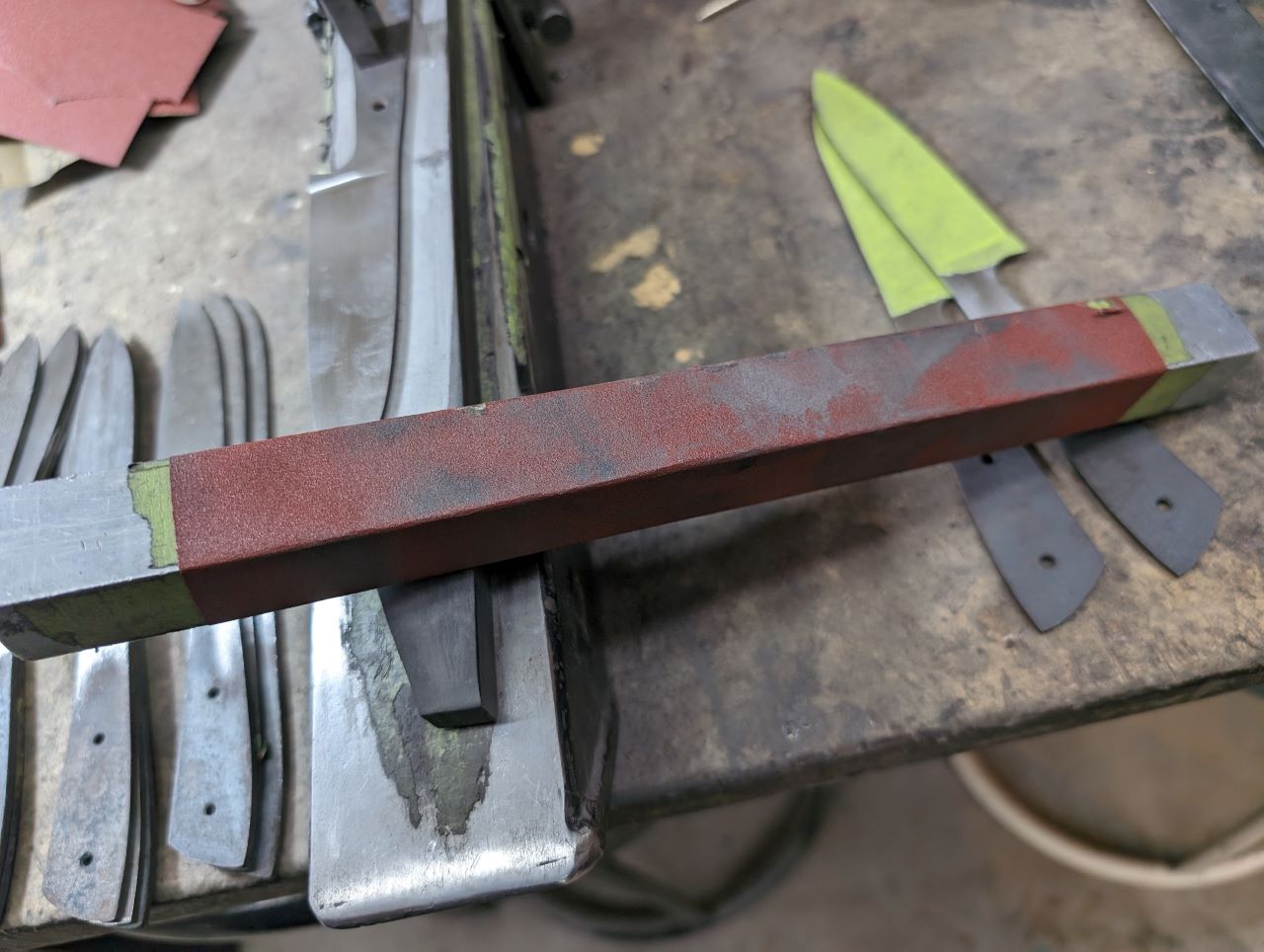 Hand sanding a knife at Tharwa Valley Forge is not just a process; it's an art form. With a commitment to quality craftsmanship and attention to detail, each blade undergoes meticulous hand sanding to achieve a flawless finish. Its one of the fist things someone notices when picking up a blade, the evenness of finish. All the other embellishment wont distract from a missed scratch on the blade.
Whether you're a seasoned bladesmith or a novice enthusiast, mastering the technique of hand sanding is essential for creating knives of exceptional beauty and functionality. Here are our top 10 tips on getting a great hand finish on your blade.
Setting goals can help hobbyists and makers stay focused and motivated. Here are 10 goal ideas for the year:
-
Learn a New Skill:
- Choose a new skill or technique related to your hobby or craft that you've always wanted to learn. This could be a specific type of blade style, a new leather finishing technique, 3d Printing, or engraving.
-
Complete a Challenging Project:
- Challenge yourself by taking on a project that pushes your current abilities. It could be a larger blacksmithing project, a complicicated knife style, or an intricate piece.
-
Build or Upgrade Your Workspace:
- Improve your creative environment by organizing your workspace, adding new tools, or upgrading equipment. An efficient and inspiring workspace can enhance your productivity and enjoyment.
-
Share Your Work Online:
- Start a blog, create a portfolio, or join social media platforms to share your creations with a wider audience. Connecting with other makers and hobbyists can provide valuable feedback and inspiration.
-
Attend a Workshop or Event:
- Participate in a workshop, conference, or event related to your hobby. It's an excellent way to learn from experts, meet like-minded individuals, and stay updated on industry trends.
-
Collaborate with Others:
- Work on a collaborative project with other hobbyists or makers. This can bring fresh perspectives, foster creativity, and build a sense of community.
-
Experiment with New Materials:
- Try working with new materials or combining existing ones in innovative ways. Experimenting with different materials can lead to unique and interesting results.
-
Document Your Progress:
- Keep a detailed journal, blog, or video log documenting your projects, challenges, and successes. This not only helps you track your progress but also provides a resource for others in the community.
-
Set Up a Dedicated Making Time:
- Allocate dedicated time in your schedule for your hobby. Consistency is key when it comes to skill development and project completion.
-
Enter a Contest or Exhibition:
- Look for local or online contests or exhibitions related to your hobby. Participating in such events can provide motivation, a sense of accomplishment, and potential recognition for your work.
Remember, the key to successful goal-setting is to make your goals specific, measurable, achievable, relevant, and time-bound (SMART). Adjust these suggestions to fit your specific interests and aspirations.
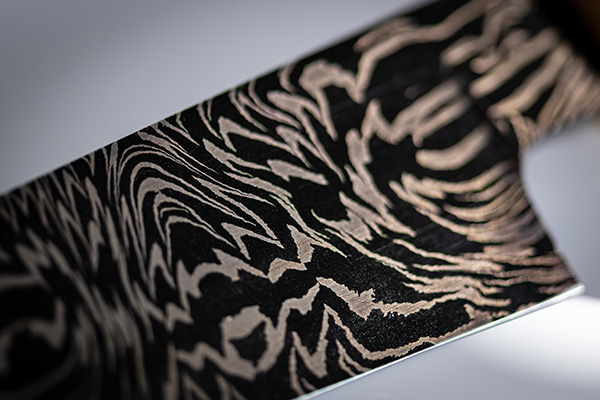
Our Damascus steel is made from forge welded layers of 15N20 steel and 1075 steel. The 15N20 is a Nickel steel and is what forms the highlights of the pattern, whilst the 1075 is a Carbon steel and turns black when etched.
When heat treated and used in a blade this combination holds an excellent edge. The blade will gain an attractive patina with prolonged use as with any Carbon steel based blade. The colour and character of the patina is determined by the type of ingredients and food the blade is used to cut. For example, cooked red meat creates a beautiful blue-grey patina that will be familiar to anyone who has encountered heirloom carving knives.
Caring for your blade
Caring for a Damascus steel blade is much the same as for a Carbon steel blade - moisture is the enemy. Once the blade has built up a patina it is much more forgiving, but a fresh Carbon steel based blade will begin to rust in a heartbeat.

Making the jump to intermediate level knifemaking
Imagine you are a knifemaker who turns out decent monosteel knives that sell without hassle; perhaps one or two blades a month. You’re past the beginner stage but not quite in intermediate territory.
Most people in this position want to break-out and step their game up, so they’re looking to invest in a big-ticket item like a power hammer. A purchase like this improves productivity and opens up new creative opportunities that are a heap of fun.
Most of all, it helps make more money from your hobby. It won’t make you a gazillionaire, but it will enable you to invest in even more training and equipment down the track.
If you get off on the right foot, you can start making knives and make it a hobby that pays for itself. At first you will be subsidising your knifemaking with a bit more money here and there, but after a short while your knifemaking will probably be paying for itself.
The trick is to view any money you spend as an investment. Everything you spend on training, equipment, services and raw materials is an investment that you’re aiming to see a return on. Most importantly, you’re going to enjoy doing it.
A guide for beginners
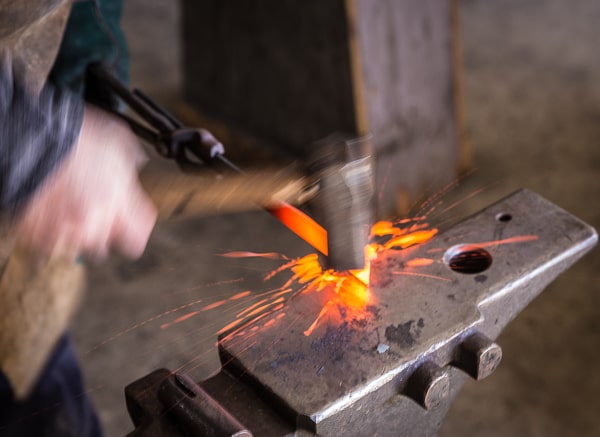
Let’s cover the two most common questions first: Where can I get an anvil? What’s the best anvil?
For many there seems to be an aura of mystery around acquiring an anvil. We often encounter people who sound like they’ve expended a lot of effort scouring the Internet for used anvils and never thought to look for a new one. Anvils aren’t rare, you just have to buy one. Read on, we’ve got a list of where you can buy one.
As for the best anvil? Head out to your workshop and take a look at your anvil. That’s the best one - the one you’ve got. You’ll know when it’s time to upgrade your anvil when you don’t feel like asking that question again.
Want to be an expert? Here’s what you need the most of: luck
It’s not 10,000 hours of experience, it’s not hard work, it’s not the best equipment.
Truth is, no-one really knows.
The secret to becoming an expert could be your personality, the age you started, intelligence, or even something else entirely.
Want to get BETTER at something? Here’s what you need the most of: practice mistakes